We partner with governments, foundations and health institutions to solve the structural problems that prevent health systems from working.
Our advisory is grounded in primary research, shaped by community knowledge, and delivered with discretion. We sit in the space between evidence and action — helping institutions move from one to the other.
Because most of our clients are navigating politically sensitive terrain, we do not publish our advisory outputs. Our measure of success is whether change happens — not whether our name appears in a report.
We assess the structural capacity of health systems to respond to current and emerging challenges — financing architecture, workforce distribution, supply chain resilience and the quality of primary care. Our assessments are designed to inform investment decisions, not just describe problems.
We support ministries and partners in drafting, costing and financing national health strategies. This includes facilitating stakeholder alignment, stress-testing policy options against fiscal realities, and supporting the political processes through which health priorities get resourced.
This is where our practice began and where our deepest expertise lies. We design and evaluate programmes addressing HIV across the full continuum — with particular focus on the structural factors that put women and adolescent girls at disproportionate risk.
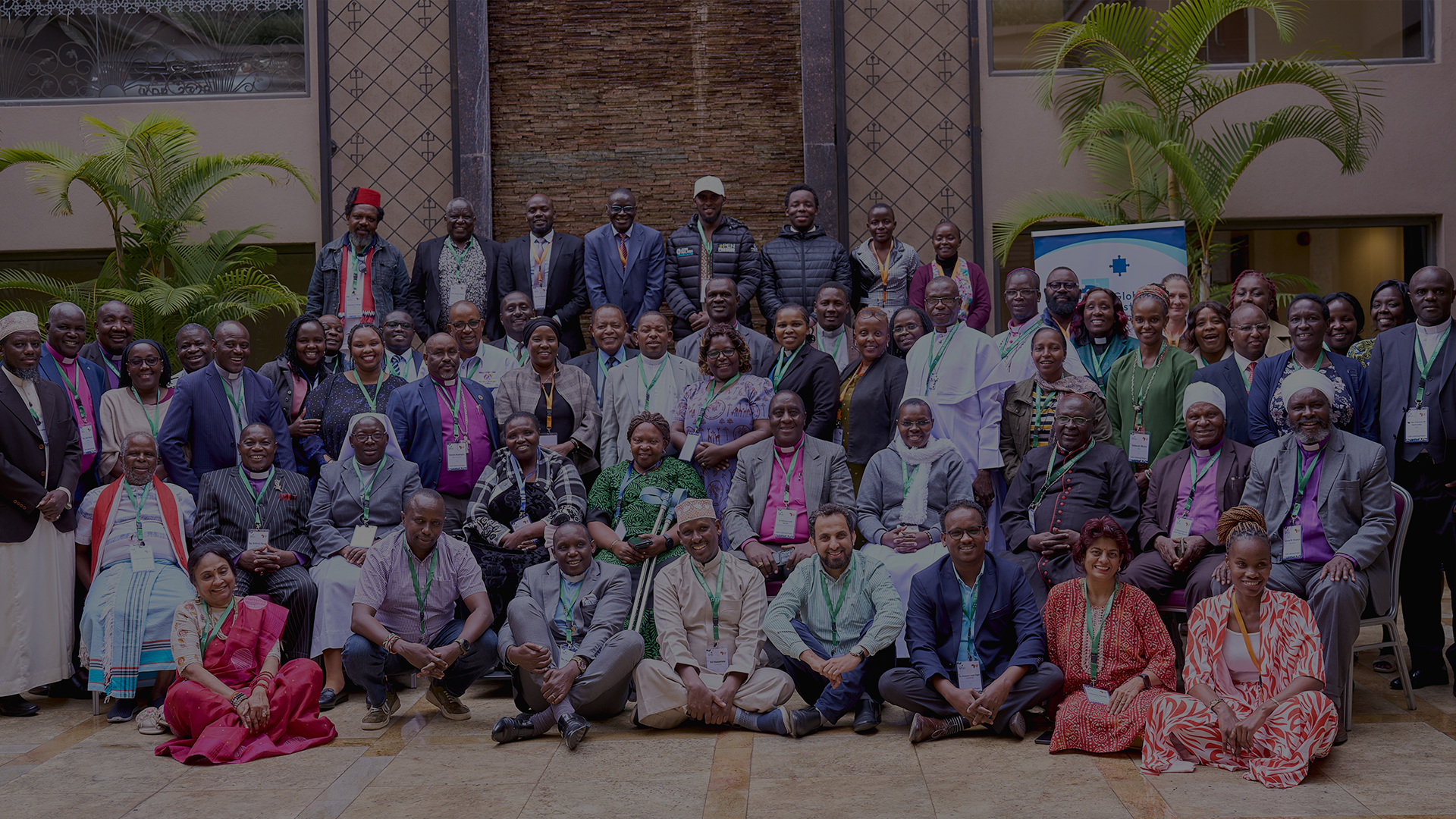
Faith institutions deliver 41% of health services in Kenya. We bring faith leaders and community networks into health policy and programme design as genuine partners — not as a communications afterthought. In 2025, we conducted a national listening exercise with 425 faith leaders.
Every engagement begins with stakeholder interviews, data review, and where evidence is insufficient, we generate it ourselves.
We design for real constraints: limited budgets, contested political environments, fragmented data, and communities whose trust has to be earned.
A significant share of our advisory work is confidential. We are trusted with sensitive questions because we treat those conversations with the seriousness they deserve.
An engagement is successful when a policy is adopted, a programme is redesigned, a decision gets made — not when we produce a report.
"Opportunities ahead cannot be unlocked by keeping to the same pace and using more of the same approach to health systems."
Dr. Nduku Kilonzo
Lancet Commission on Health in Sub-Saharan Africa
Founder & CEO
Over 25 years in public health and health systems development. Former Executive Director, Kenya's National AIDS Control Council. Contributing Commissioner, Lancet Commission on Health in Sub-Saharan Africa. Honorary Doctorate, Liverpool School of Tropical Medicine, 2026.